First, an authorised overnight place
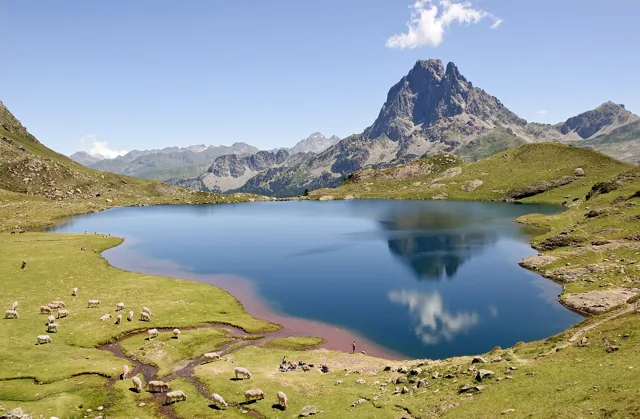
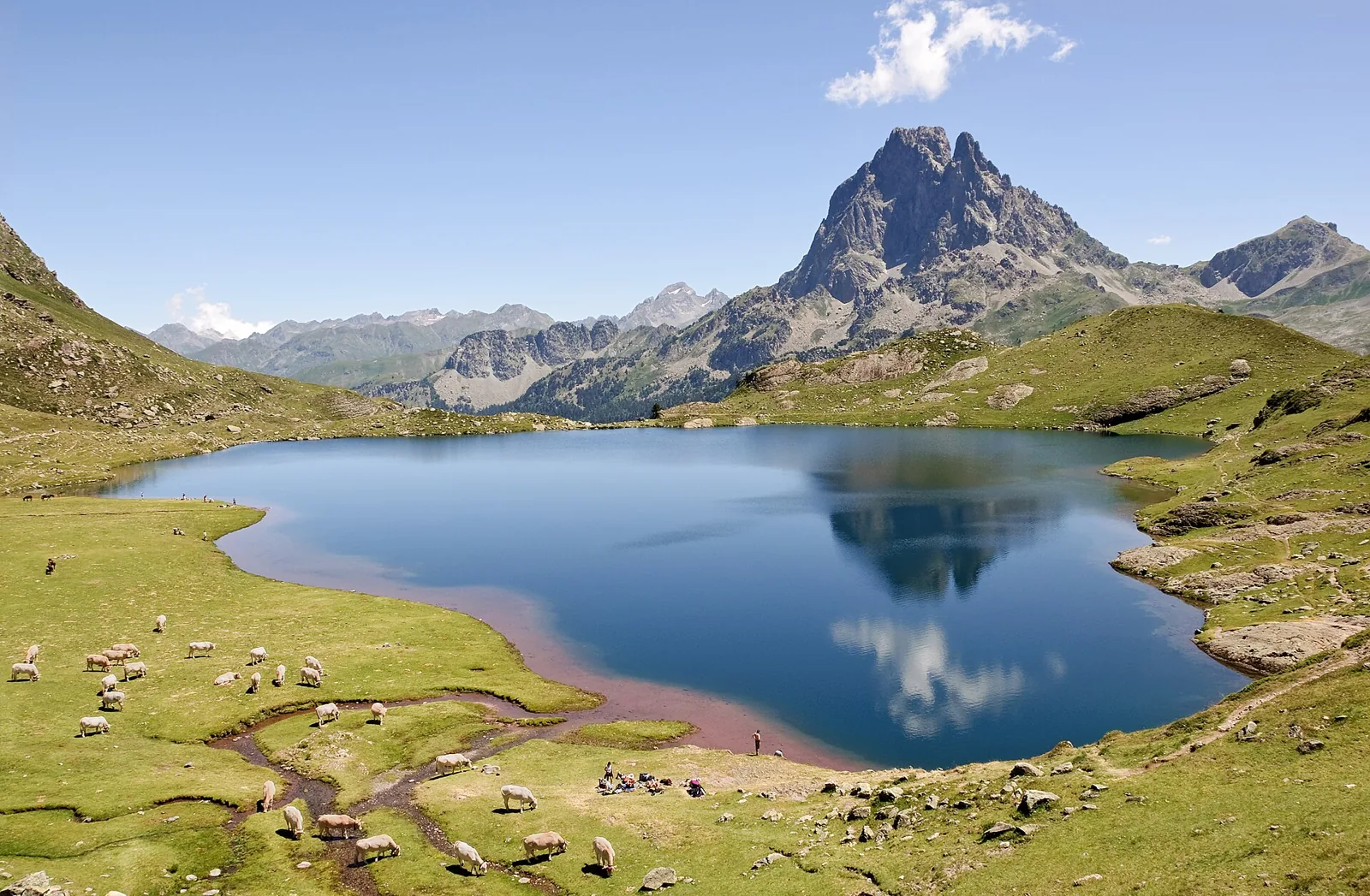
An equipped campsite beside your car and a walking journey carrying a tent require different lists. At a campsite, confirm the reservation, pitch dimensions, water, sanitary facilities and cooking rules. For backpacking, establish first whether overnight stays are permitted at the intended location and under which conditions. Parks have different rules: France’s Parc national des Pyrénées distinguishes camping from bivouacking. Its arrangements cannot be applied across the whole range. The Gentau and Midi d’Ossau photograph shows scenery, rather than an authorised tent pitch. Agree on the route and an alternative before buying equipment. Owning a lightweight tent does not make every attractive meadow a legal place to stay.
Consider the whole sleeping system
Choose the tent, sleeping mat and bag together for the expected night, wind and precipitation. A mat provides more than cushioning: it insulates you from cold ground. Understand the category behind a sleeping bag’s temperature figure; an extreme rating is not a promise of comfortable sleep. Allow for personal cold sensitivity, fatigue and dry clothing. Check bag length, mat width and actual sleeping space inside the tent. For children, discuss an appropriate sleeping system instead of automatically applying adult ratings. Protect the bag and spare clothing from getting wet. Car camping allows more bulk, whereas backpacking requires balancing every extra comfort against weight carried throughout the day.
Rental and a rehearsal before departure
For a first overnight trip, consider hiring or borrowing a suitable tent and parts of the sleeping system. Establish condition, included components, cleaning and return arrangements. Check poles, pegs, attachments, zips and the sleeping mat beforehand somewhere pitching is permitted; a missing piece at dusk far from the rental shop can become a serious problem. Make sure you can pitch and pack the tent following its instructions. Compare equipment volume with your backpack, rather than considering advertised weight alone. Distribute shared items according to ability while keeping personal cold protection accessible. Walk with the complete load before backpacking. If it is excessive, simplify the route or overnight format before removing necessary insulation.
Water, food and cooking outside
Plan water for drinking and cooking; a stream shown on the map does not confirm an available drinking-water source. Choose treatment according to local advice and product instructions. For an initial trip, simple meals requiring little cookware are practical. If stoves are permitted, use compatible fuel and serviceable equipment according to the manual. Cook outside on a suitable stable surface and follow fire restrictions: neither the tent nor an enclosed vestibule is appropriate for a fuel-burning stove because of fire and carbon monoxide risks. Never use it for heating. If cooking is prohibited, change the menu or accommodation. Ask the site manager about food and waste storage instead of copying another country’s rules.
Small details that matter after dark
A headlamp, personal medication, small repair kit, dry sleeping clothes and rubbish bags deserve space before decorative extras. Establish washing and toilet rules: a lake is not a washing facility simply because a product is labelled biodegradable. Do not leave food scraps or tissues as supposedly natural waste. Avoid arriving after dark without having checked lighting and overnight availability. Review the forecast and group condition before pitching; severe weather may require different accommodation. Afterwards, dry everything before storage, inspect damage and return hired items as agreed. Record what you actually needed so the next list becomes more precise, without assuming every trip requires additional purchases.