There is no single Pyrenees season
A low foothill path and a lake circuit above the treeline can experience different seasons. Consider altitude, aspect and reported trail conditions. SENDA’s dates describe a usual period for the particular walking variant, not a guarantee of snow-free ground.
If your holiday week is fixed, choose suitable elevations before deciding on your base. That gives you a better chance of retaining a rewarding walking plan when the weather changes.
Spring: begin with the valleys
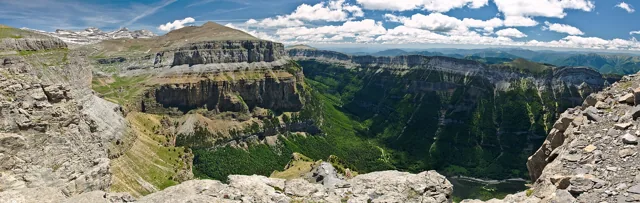
Consider lower routes and wooded valleys. Upper ground may retain snow; approaching summer does not mean a particular pass is walkable. Waterfalls provide a good reason to choose a shorter outing instead of a high objective.
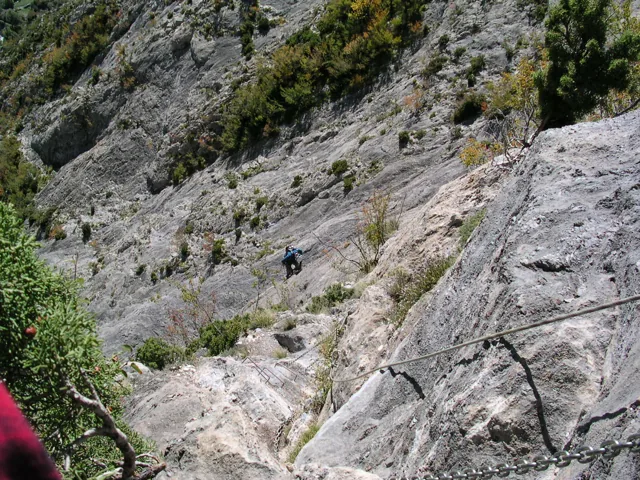
Do not apply summer walking times to snowy terrain. If a route needs skills you lack, change valley or elevation. Check road access and the start of seasonal transport services too.
Summer: more options, more planning
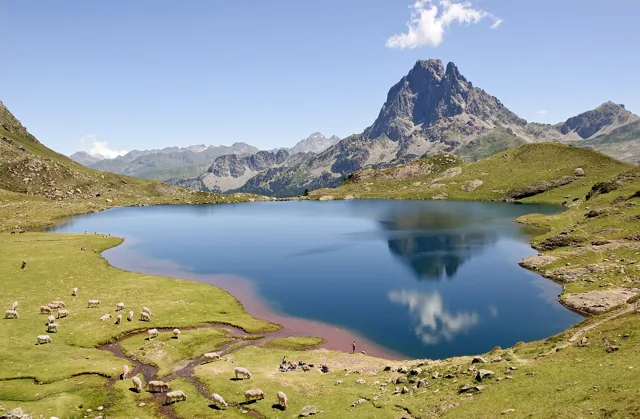
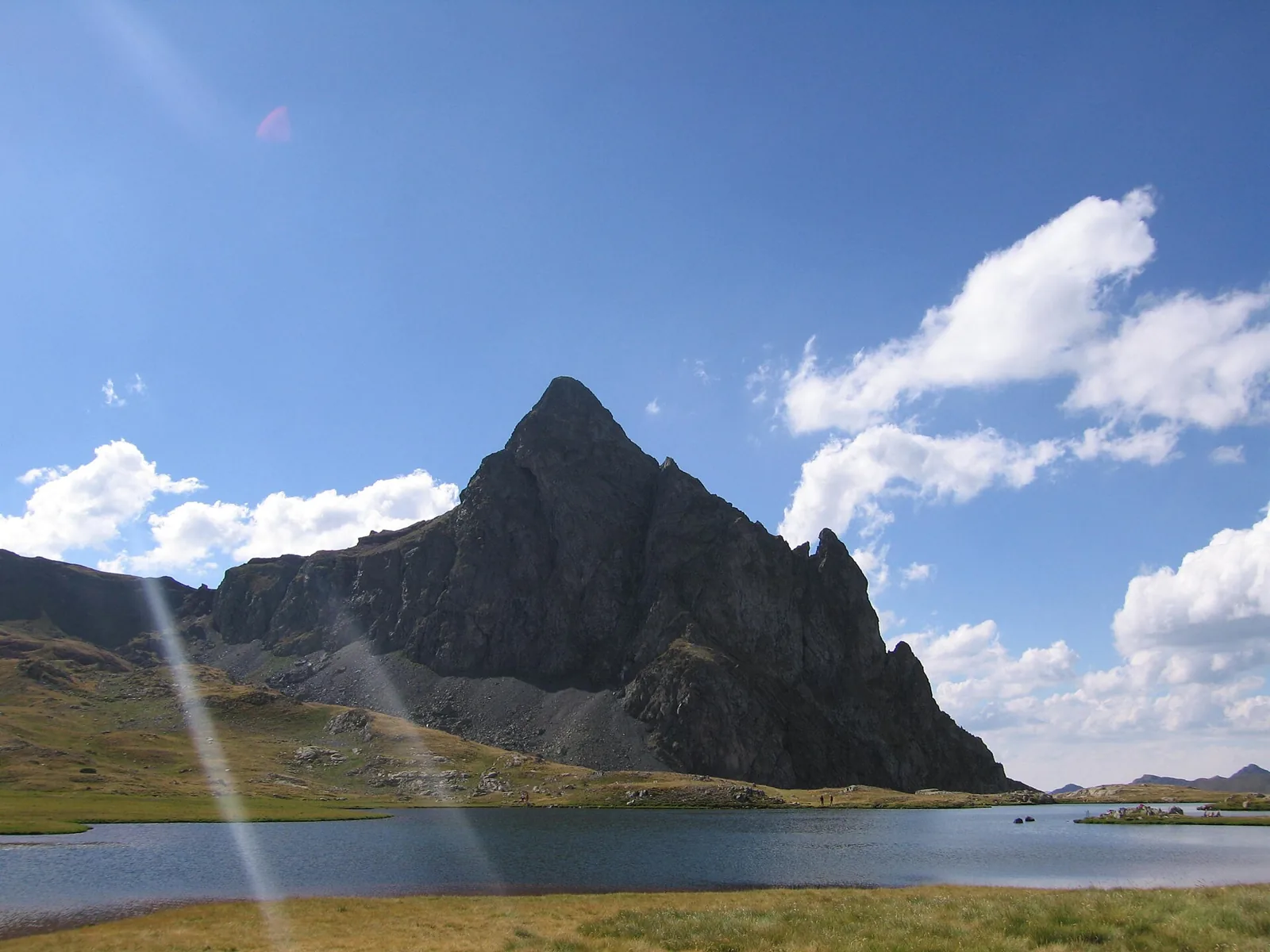
High mountain lakes become possibilities, but snow, storms and access still need checking for every route. At popular destinations, investigate parking and shuttle arrangements in advance. Plan an early start and a comfortable margin for returning.
Use a mountain-area forecast: AEMET for the Spanish side, Météo-France for France and Meteo Andorra for the principality. A nearby city forecast does not replace this check.
Autumn and winter change the trip
In autumn, wooded valleys become destinations in their own right. As daylight shrinks, shorten your walking plans and check refuge and transport operations. Early snow or ice may call for an entirely different route.
Winter outings require assessment of snow, avalanche conditions and technical skills. A summer easy rating does not automatically apply. For a first winter visit, choose an organised activity with a local professional and keep your days flexible.