SENDA / PYRENEES

Pyrenees natural parks and visitor rules

National and natural parks in Spain, France and Andorra: camping, bivouacs, dogs, fire, access and restrictions. Montserrat is a separate destination.

Directory coverage

This directory brings together Pyrenean national, natural and regional nature parks, identified foothill areas and Montserrat. Other protection categories are labelled separately: this is not a register of every reserve or Natura 2000 site. A park’s administrative territory may differ from its strictly protected core; each rule applies to the zone identified in the entry.

Spain / Pyrenees

Parque Nacional de Ordesa y Monte Perdido

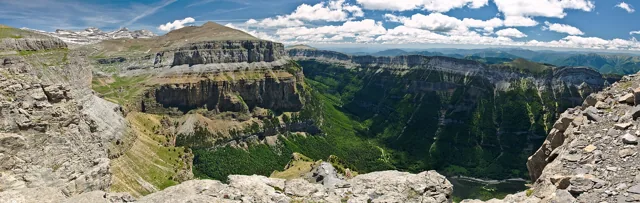
Four valleys reveal different sides of the limestone Pyrenees: Ordesa’s forest floor, the Añisclo gorge, Escuaín’s cliffs and Pineta’s glacial amphitheatre. For a first visit with children, choose a short walk beside the Pradera and its accessible section. Cola de Caballo and high mountain crossings require separate assessment of distance, weather and fitness.
Spain / Pyrenees

Parc Nacional d’Aigüestortes i Estany de Sant Maurici

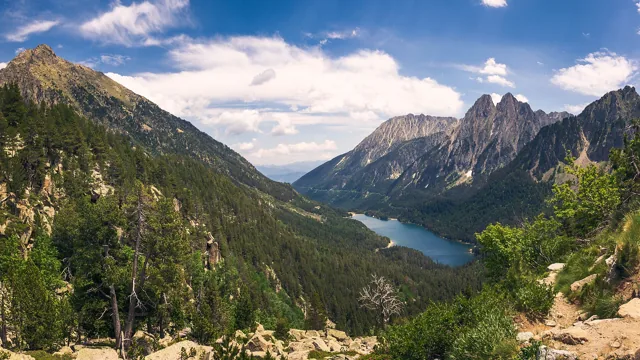
Granite peaks, conifer forests and lakes offer very different days out. From Boí, combine authorised transport with the Planell d’Aigüestortes boardwalk; from Espot, begin at Sant Maurici. These offer useful first introductions for families, while routes linking higher lakes and huts require mountain experience and careful stage planning.

Spain / Pyrenees

Parque Natural Posets-Maladeta

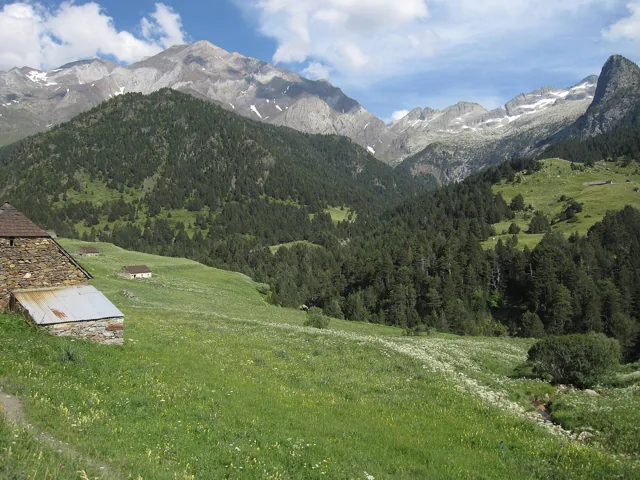
Aneto and Posets rise above the Benasque, Chistau and Barrabés valleys. Lakes, moraines and remaining glaciers explain the making of this landscape. With children, begin at a visitor centre and choose a short valley walk: a recognisable summit on the skyline does not make the climb an easy outing.

Spain / Foothills

Parque Natural de la Sierra y Cañones de Guara

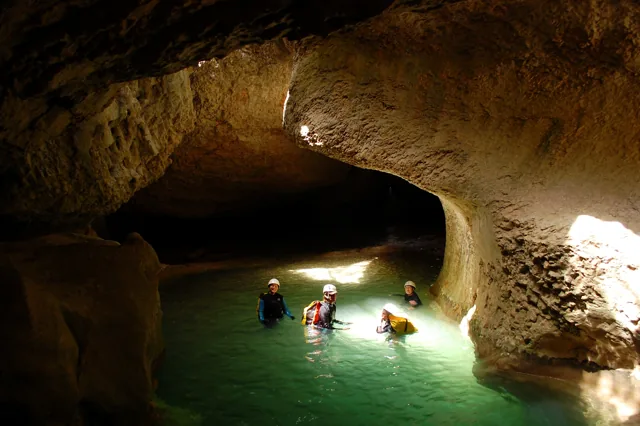
Guara reveals the southern foothills through deep limestone canyons, dry slopes and historic villages. Walking, birdwatching and technical canyoning share this landscape. With children, begin at the Bierge visitor centre and choose short walks near villages; entering a canyon requires specific preparation and an assessment of water conditions.

Spain / Pyrenees

Parc Natural de l’Alt Pirineu

Catalonia’s high mountains meet forests, pasture and inhabited villages here. Explore one valley at a time, choosing between lakes, cultural walks and wildlife observation. For a quieter family day, consider the adapted section at Mollera d’Escalarre; journeys towards Pica d’Estats require a substantially more demanding mountain plan.

Spain / Foothills

Parc Natural del Cadí-Moixeró

Cadí’s cliffs and Moixeró’s grazing slopes form a large foothill park between Cerdanya and Berguedà. Spend a day at viewpoints or plan a longer ridge crossing. Families can begin at the Bagà visitor centre and consider the short Ruta de la Marmota at Coll de Pal after checking snow and access conditions.

Spain / Pyrenees

Parc Natural de les Capçaleres del Ter i del Freser

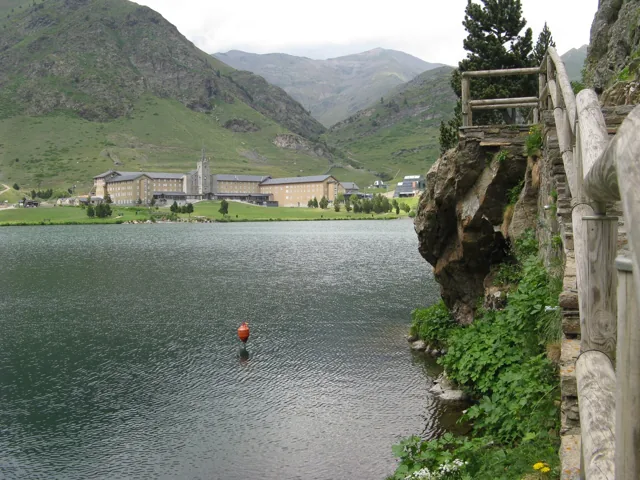
The Ter and Freser headwaters lie among high pastures, rocky cirques and the Núria and Ulldeter valleys. Wind and snow can quickly change a route’s character. With children, choose short local walks and visitor-point activities; passes and winter slopes call for a very different level of preparation.

Spain / Pyrenees

Parc Natural de Cap de Creus

The Pyrenees reach the sea among folded rocks, coves and wind-exposed headlands. Cap de Creus combines land and marine protection, with different rules between sectors. For a family outing, choose a short route and viewpoint: shade is scarce, tramontana winds can be strong and lighthouse access is regulated seasonally.

Spain / Pyrenees

Parque Natural del Señorío de Bertiz

Bertiz reveals the wet Atlantic side of the western Pyrenees: mature forest, streams and a historic garden near the entrance. Families can choose the short, level Erreparatzea walk or visit the garden during its separate opening hours. Longer forest routes climb; expect slippery ground after rain and falling-branch risks in strong wind.

Spain / Montserrat · beyond the Pyrenees

Parc Natural de la Muntanya de Montserrat

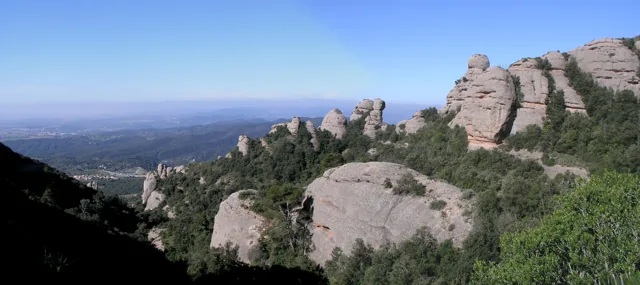
Montserrat’s conglomerate towers are included separately: this Catalan Prelittoral massif is geographically outside the Pyrenees. Combine the monastery with the Camí dels Degotalls; its easy character does not extend to the rocky trails above. For longer routes, account for heat, ascent, cliff edges and limited road-access capacity.

France / Pyrenees

Parc national des Pyrénées

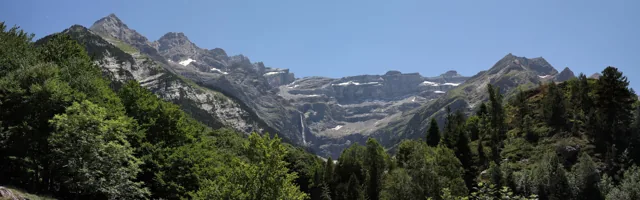
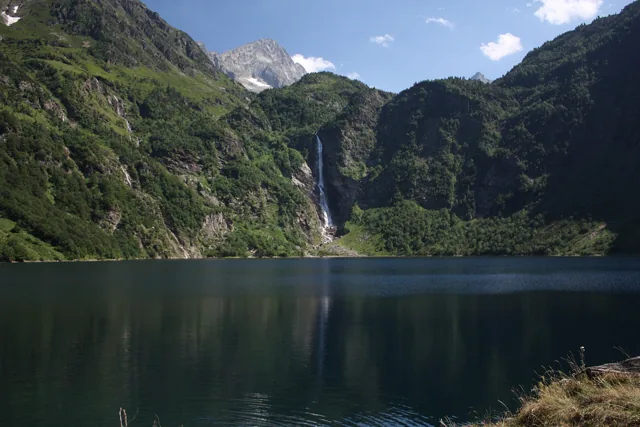
This park brings together glacial cirques, lakes and summer pastures along the Spanish border, from the Aspe valley to Aure. Gavarnie, Ossau and the valleys around Cauterets reveal very different mountain landscapes. For a first visit, choose one valley and combine lower walks with a mountain day. Always distinguish the strictly protected core from the surrounding partnership area: most of the specific rules below apply to the core.

France / Pyrenees

Parc naturel régional des Pyrénées Ariégeoises

The park links the limestone foothills of Plantaurel with the high Couserans and Vicdessos valleys near Spain and Andorra. Its appeal lies in the connection between inhabited villages and big mountains: pastures, wooded valleys, caves and distant ridges belong to one landscape. Choose your base according to whether you prefer village exploration or walks to high refuges. This is an inhabited regional park; specific restrictions depend on the site, landowner and any additional protection.

France / Pyrenees

Parc naturel régional des Pyrénées catalanes

Capcir, Cerdagne and Conflent offer three ways to explore the eastern Pyrenees: forests and lakes, an open high plateau and warmer valleys. Bouillouses and Carlit introduce the mountain lake landscape, while villages and the Yellow Train allow gentler days. The park combines inhabited countryside with sites under stricter additional protection. Plan around the particular place you will visit, rather than assuming one uniform set of restrictions throughout the regional park.

France / Foothills

Parc naturel régional Corbières-Fenouillèdes

Created in 2021, this regional park belongs to the northern foothills and Mediterranean edge of the Pyrenees. Limestone folds, narrow gorges, vineyards and rocky strongholds such as Puilaurens, Quéribus and Peyrepertuse define its scenery. For an easy visit, pair a short walk with a village; for a longer journey, choose sections of the Cathar Trail or cycling roads. Summer planning hinges on heat, wind and fire danger, which can change access to individual massifs.

Andorra / Pyrenees

Parc natural de la vall de Sorteny

Sorteny rewards a close look at mountain nature: its botanical garden and meadows reveal details easily missed on a summit-focused day. From the lower valley, choose a walk to the refuge or a more demanding outing towards Estanyó lake and the high ridges. The valley contains reserve zones and wetlands with their own access conditions. For a relaxed introduction, start with the visitor information service and choose a route suited to the season.

Andorra / Pyrenees

Parc Natural Comunal de les Valls del Comapedrosa

Above Arinsal, the developed valley soon gives way to woods, waterfalls, rocky lake basins and ridges around Andorra’s highest point. Comapedrosa suits a visit with days of different intensity: explore lower paths separately from a demanding summit ascent. You do not need to reach the highest summit for a rewarding park day. Match your objective to weather and experience, and contact the refuge before an overnight trip: snow and avalanche conditions can transform these routes.

Andorra / Pyrenees

Vall del Madriu-Perafita-Claror

Madriu is a protected UNESCO World Heritage cultural landscape, rather than a third Andorran natural park. Stone paths, pastoral buildings and valleys preserve the visible relationship between people and mountains over centuries. Walking towards Ràmio or Fontverd introduces the lower valley, while journeys to the upper lakes require far more time and effort. Separate a cultural walk from a high-mountain traverse, and choose the appropriate approach and refuge before setting out.

France / Pyrenees

Réserve naturelle nationale du Néouvielle

Néouvielle is a separate national nature reserve beside the core of the Parc national des Pyrénées. Pale granite, winding lake shores and mountain pines give it a distinctive character. For an introduction, choose Aubert and Aumar lakes or the ascent from Orédon via Les Laquettes. A walk between lakes and an ascent of Néouvielle summit are different undertakings. The wider massif continues beyond the reserve, where protection boundaries and overnight-stay rules may differ.

France / Pyrenees

Parc naturel régional Comminges Barousse Pyrénées

This regional park received official designation through the decree of 9 July 2026. It connects the Comminges hills, Barousse valley and high Pyrenees, pairing villages and wooded paths with outings towards the Luchonnais lakes. It is a lived-in landscape with local rules. Choose one valley for a first day, then another elevation band to appreciate the transition from pastures to rocky mountain bowls.

Published sources reviewed on 9 September 2026. Temporary closures, fire restrictions and weather may change access; read the park’s latest notices before travelling.