Choose a landscape, then a route
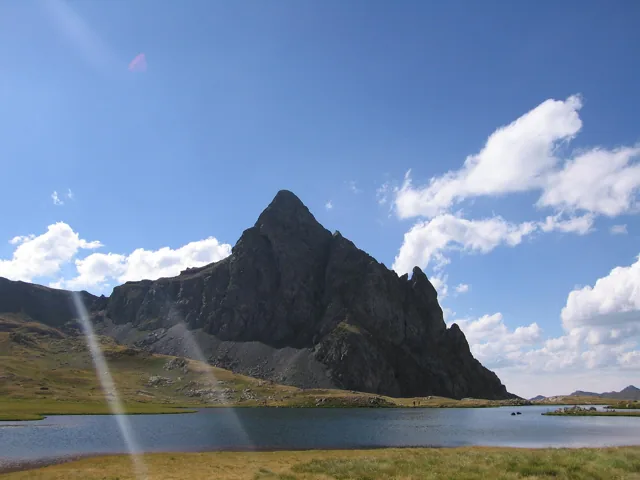
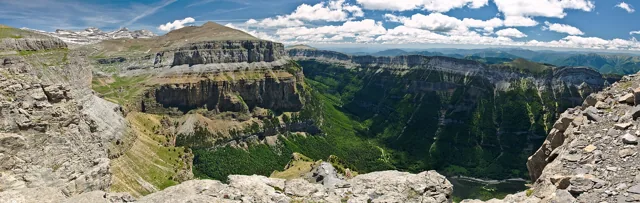
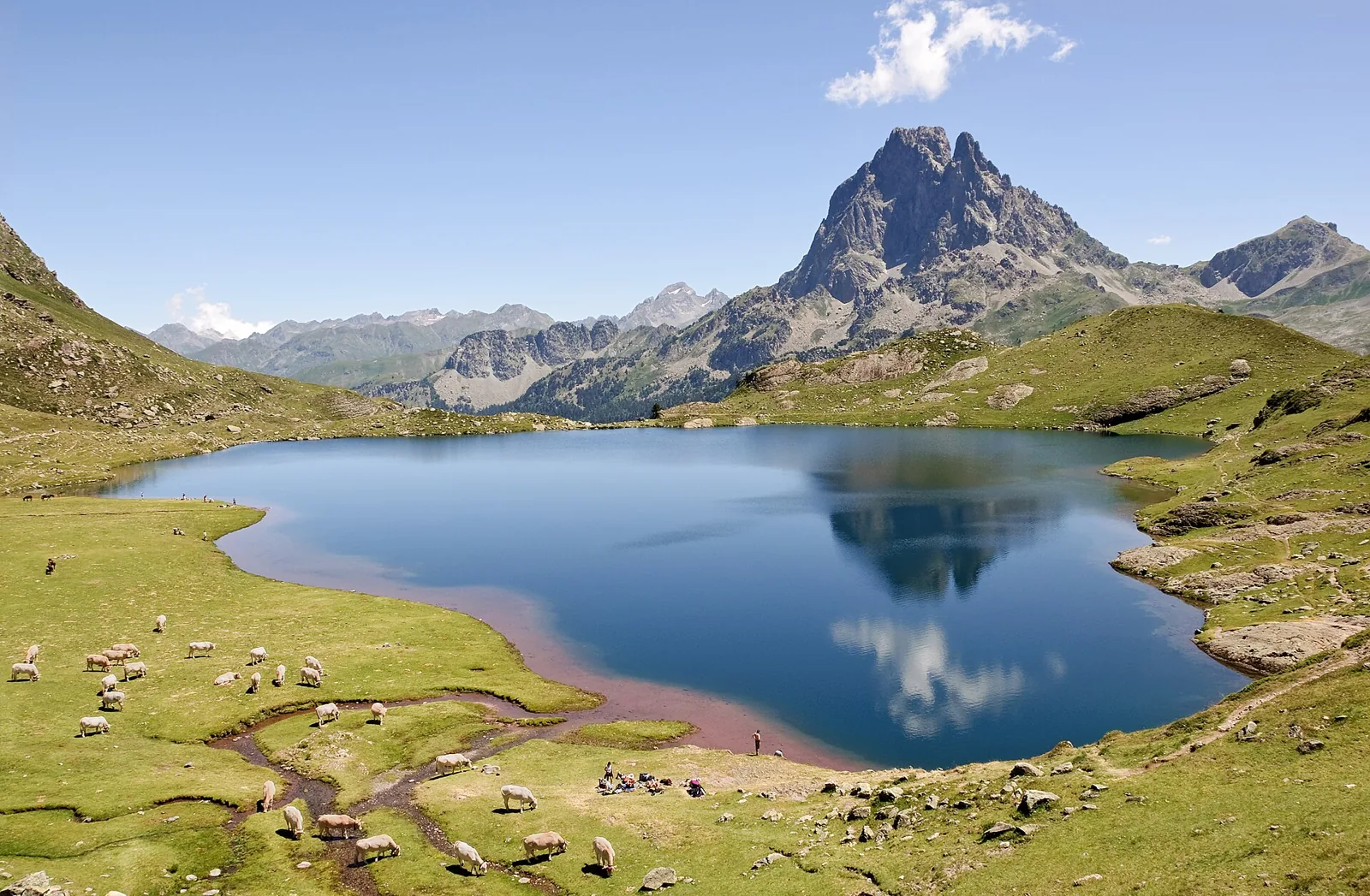
For a first visit, deciding what you want to see is more useful than chasing the most famous name. Look at lower Ordesa for woodland and waterfalls, Sant Maurici for a lake beneath striking peaks, or the Gavarnie valley for a vast rock amphitheatre. A short outing and a demanding full day can begin in the same place.
Our suggestion is to choose one main objective and one shorter alternative in the same valley. A change of plan then need not mean hours in the car.
Distance is only one part of difficulty
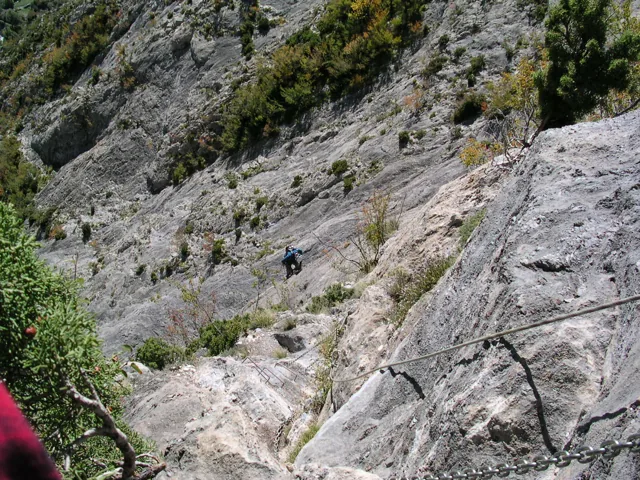
Compare ascent, terrain, exposure and total duration. The MIDE system considers environmental severity, navigation, movement and physical effort separately. A label such as moderate cannot replace those details. For a first hike, a clear out-and-back often makes it easier to turn around early.
Discuss the plan with everyone. The fastest walker should not set the agenda for a family or mixed group. If someone is unfamiliar with rocky paths, allow extra time downhill: descending also takes energy and concentration.
Plan the whole day
The trailhead is not necessarily the nearest village. Identify the exact parking area or bus stop, access arrangements and final return service. A climb to a lake, a circuit starting at the lake and an approach from a village are different journeys. Check which variant a published time describes.
Save an offline map and leave your plan with someone you trust. Agree on a turnaround time before setting off. A leisurely stop beside the water is a better memory than a rushed descent after insisting on completing every kilometre.
Pack for the conditions
A normal snow-free hike calls for appropriate footwear, rain and warm layers, water, food, sun protection, navigation, a charged phone, first-aid supplies and a headtorch. Match your water supply to heat, effort and confirmed drinking-water availability.
Read the mountain forecast that morning. If the route needs skills your group does not have, choose another trail or a local mountain guide. An easy rating describes particular conditions, not every possible state of the path.