Choose the walk before the pack
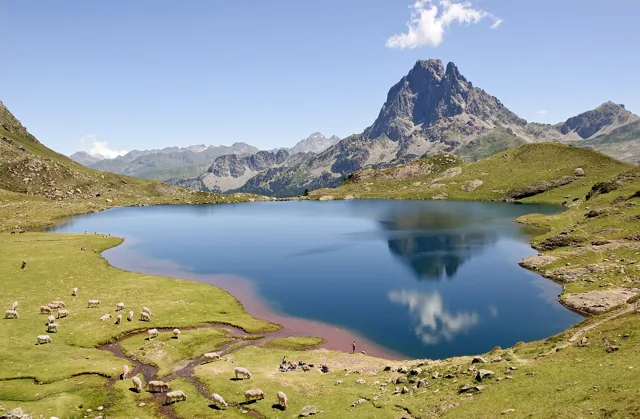
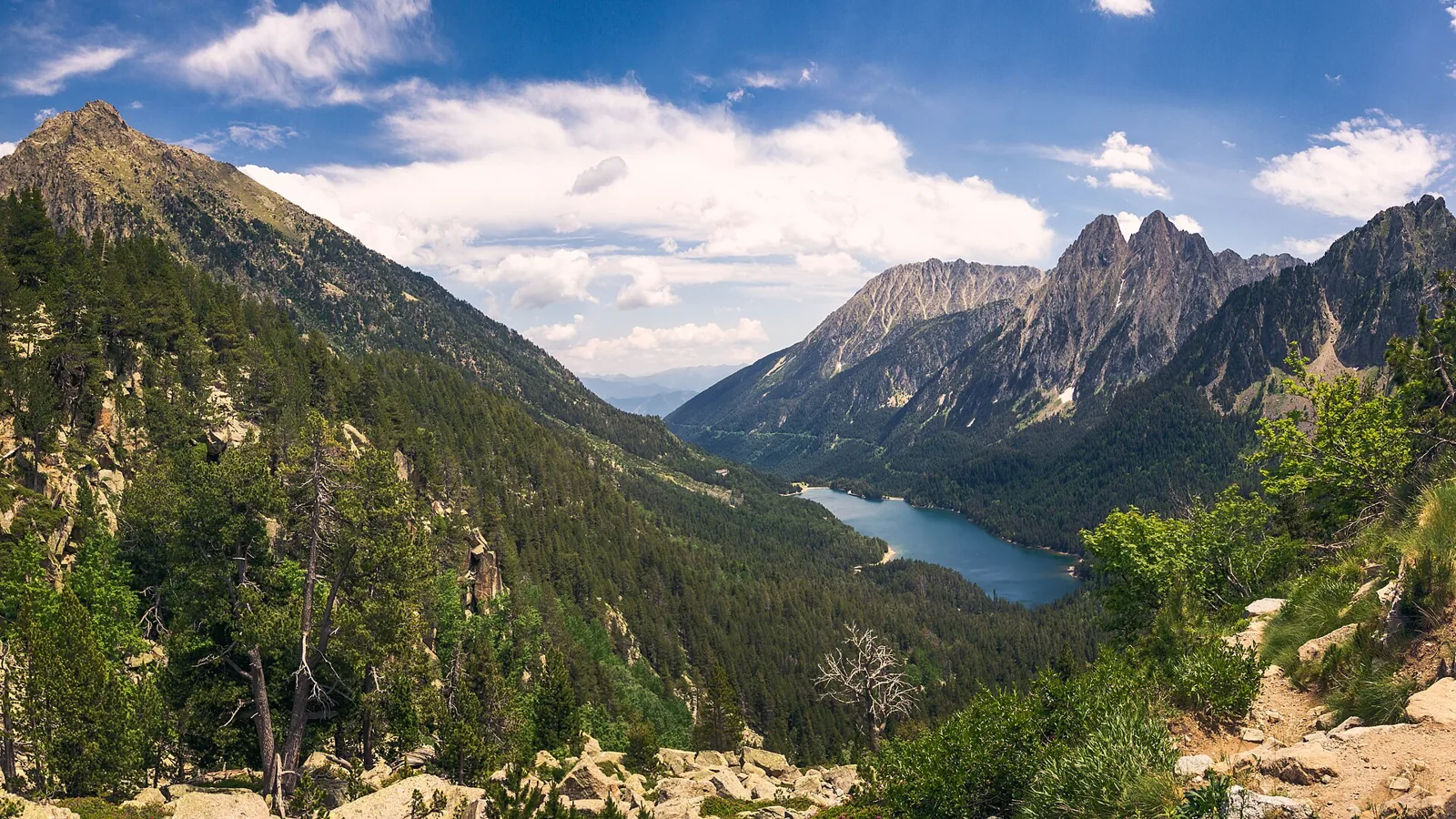
A day hike needs equipment for the whole day, including stops and the return journey. Before packing, note the distance, ascent, highest point, exposed sections and opportunities to shorten the walk. Check the mountain forecast rather than only the nearest town. A walk towards Sant Maurici in suitable conditions and an outing to a high pass require different warmth reserves, although both may take one day. The lake photograph illustrates the destination, not current conditions. Removing an overly difficult section is often more useful than trying to compensate with another purchase. Include the final transport departure in your timing.
Personal essentials without excess weight
Start with tested footwear, suitable tread, comfortable socks and clothing that lets you adjust warmth. Pack wind and rain protection, an insulating layer, head covering, sun protection and water appropriate to the route. Quantity depends on heat, effort and reliable refill points; one standard bottle per person is not a universal answer. Add food, a small snack reserve, a headlamp, a charged phone with an offline map and backup power. Match the first-aid kit to your needs and skills. Keep personal medication, documents, a whistle and suitable emergency shelter accessible rather than buried beneath optional accessories.
Children: fit and comfort before age
Children need properly sized footwear and clothing rather than adult items tightened as far as possible. Check socks, fastenings and freedom to crouch and step. Bring dry replacements and additional warmth; a child sitting in a carrier moves less than the adult carrying them. The carrier must suit both child and wearer according to its instructions, with stops to check comfort and temperature. Choose a child’s pack load individually and keep the main reserves with adults. Age alone does not establish a safe distance. Consider experience, mood, heat and willingness to continue, and accept an early finish while adults still feel strong.
What to borrow or rent
For early outings, borrowing a suitable pack or poles can make sense if you test them on a short walk first. Footwear is particularly sensitive to fit; hiring it without trying it on and walking beforehand rarely saves effort. With a guide, ask about collective first aid, communications and other shared resources, but do not assume personal water or clothing is supplied. Divide group equipment between adults while retaining individual essentials for a brief separation. Avoid buying an oversized pack simply for spare capacity: assemble the necessary items first, choose the volume afterwards and test the fit with the actual load.
Final checks and common mistakes
Wear the packed bag, climb a few stairs and check that water and rainwear are reachable without unpacking everything. The map should open without reception and the headlamp should work independently of the phone. Tell a trusted person your route and expected return. Common mistakes are ordinary: new shoes, no warm layer on a sunny day, an overloaded child’s pack or reliance on an unchecked spring. Poles and sturdy footwear cannot replace skills on snowfields or steep rock. If conditions require unfamiliar technical equipment, change the route or consult a professional. Afterwards, dry everything and record what was genuinely missing.