Terrain matters more than altitude
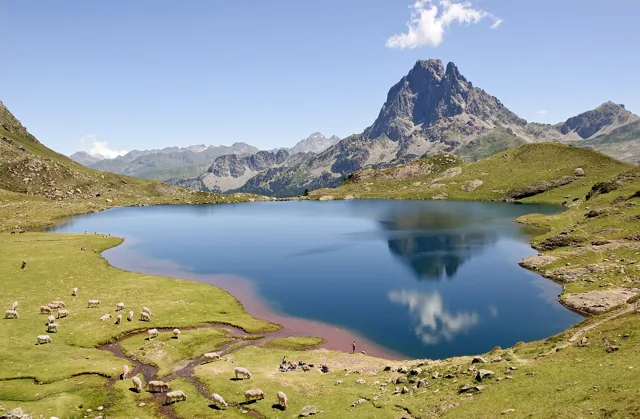
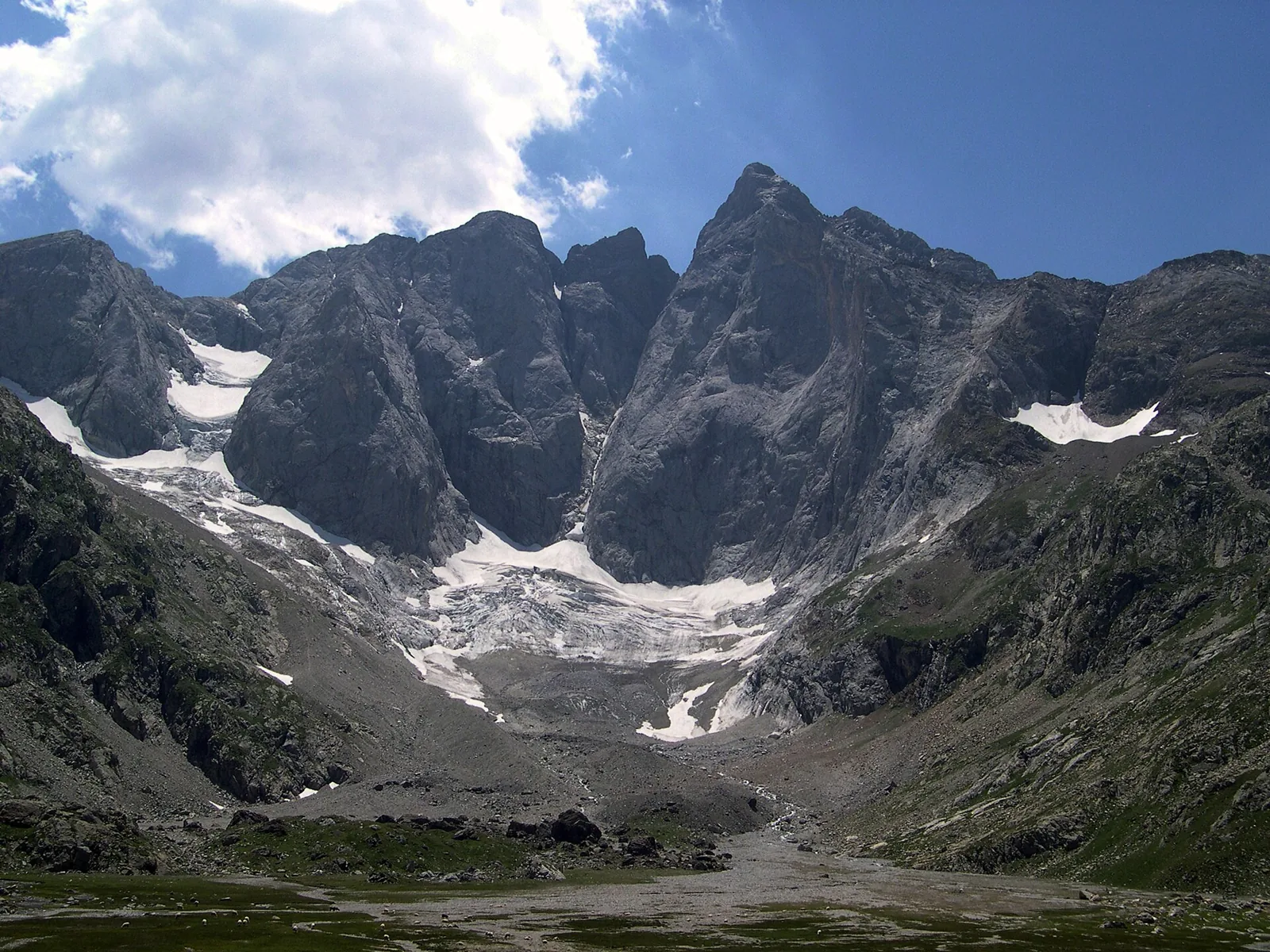
A summit on a map does not define how to climb it. Summer paths, steep scree, rocky ridges and glaciers require different abilities and decisions. The view of Vignemale from Oulettes does not mean a walk to its foot and an ascent over the Ossoue glacier share an equipment list. Research the actual line, descent and expected surface for your dates, rather than altitude alone. The term normal route does not promise straightforward walking either. Snow or ice can turn a familiar summer objective into a technical undertaking. Explain your experience to the guide before buying or hiring: distance covered and general fitness do not replace competence on the relevant terrain.
The foundation for a summer walking route
For a nontechnical route, pack tested footwear, layers and protection against rain, sun and wind. Choose insulation, hat and gloves for altitude, forecast and possible delays, rather than the temperature in the car park. Include water with a realistic refill plan, food with a reserve, a headlamp, navigation and available communication tools. The group should understand the emergency equipment and first-aid supplies being carried. Keep frequently needed items accessible instead of emptying the pack at every stop. Walk with the full load before departure and check that clothing works together. Where a route requires rock or snow skills, this hiking list becomes a foundation, rather than complete preparation.
Technical equipment for a specific line
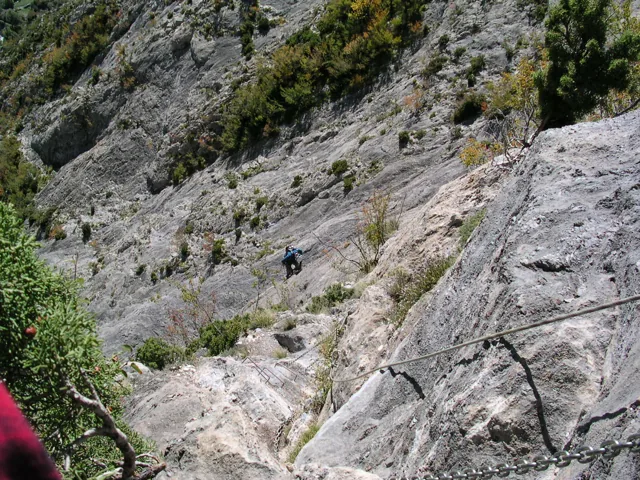
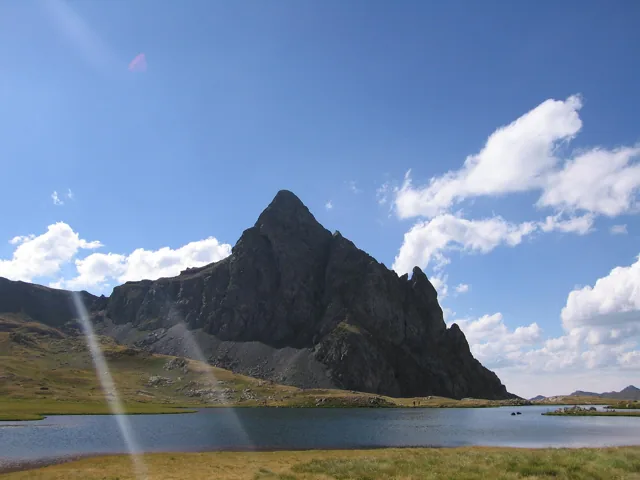
On a mountaineering route, the guide determines whether a helmet, harness, rope, crampons, ice axe and other equipment are needed for the terrain and conditions. Cauterets guides list principal technical equipment within their Vignemale programme; this is one specific service whose contents should be reconfirmed. For Aneto, Montaña Segura emphasises suitable snow and ice equipment alongside the ability to use it. Do not substitute lightweight traction devices for icy walks for mountaineering crampons. Carrying a rope as a symbol of preparedness does not resolve its selection or use. Without independent experience, arrange training and qualified accompaniment beforehand. A buying guide cannot teach glacier travel or belaying.
Compatibility and rental
Begin fitting with the actual footwear and technical equipment models. Boots and crampon bindings must be compatible under manufacturer instructions; the description mountain boots is insufficient. Ask the guide or competent shop staff to inspect the combination, rather than checking each size separately. Try the harness over planned clothing layers and the helmet with compatible headwear when necessary. Establish what is supplied, what the guide carries and what every participant must carry. Agree on advance collection, fitting time and returns if the objective changes. Avoid taking unfamiliar boots straight onto the longest day of the trip. Damage or uncertain protective-equipment history calls for professional assessment, rather than improvised repairs.
Keep a margin for the descent
Do not postpone checking the route until you are standing before a snowfield. Obtain recent information from local professionals and agree on an alternative in advance. New snow, thunderstorms, strong wind or a mismatch with group abilities require reconsidering the objective, even after rental has been paid. Do not learn ice-axe use during a forced crossing of a dangerous slope. Plan water, daylight and energy through to your return, rather than only the summit. Check transport times and hut arrangements separately. Leave the route and return plan with someone you trust. Afterwards, record what was uncomfortable or unnecessary; refining the list through actual experience is more useful than continually accumulating technical objects.