SENDA / PYRENEES

Pyrenees natural parks and visitor rules

National and natural parks in Spain, France and Andorra: camping, bivouacs, dogs, fire, access and restrictions. Montserrat is a separate destination.

Directory coverage

This directory brings together Pyrenean national, natural and regional nature parks, identified foothill areas and Montserrat. Other protection categories are labelled separately: this is not a register of every reserve or Natura 2000 site. A park’s administrative territory may differ from its strictly protected core; each rule applies to the zone identified in the entry.

France / Pyrenees

Parc national des Pyrénées

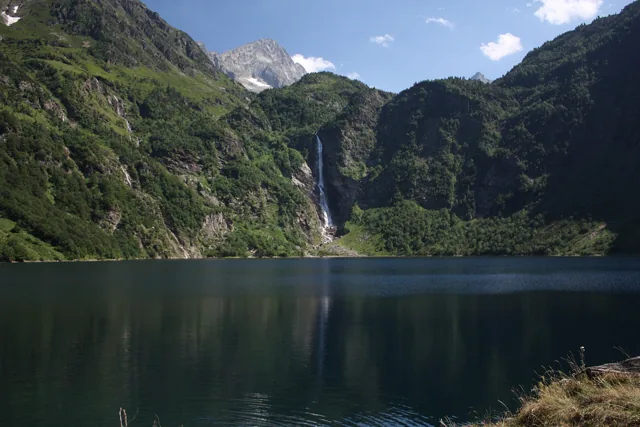
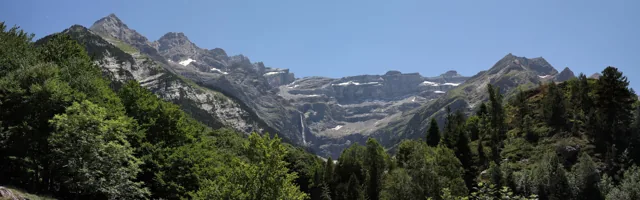
This park brings together glacial cirques, lakes and summer pastures along the Spanish border, from the Aspe valley to Aure. Gavarnie, Ossau and the valleys around Cauterets reveal very different mountain landscapes. For a first visit, choose one valley and combine lower walks with a mountain day. Always distinguish the strictly protected core from the surrounding partnership area: most of the specific rules below apply to the core.
France / Pyrenees

Parc naturel régional des Pyrénées Ariégeoises

The park links the limestone foothills of Plantaurel with the high Couserans and Vicdessos valleys near Spain and Andorra. Its appeal lies in the connection between inhabited villages and big mountains: pastures, wooded valleys, caves and distant ridges belong to one landscape. Choose your base according to whether you prefer village exploration or walks to high refuges. This is an inhabited regional park; specific restrictions depend on the site, landowner and any additional protection.

France / Pyrenees

Parc naturel régional des Pyrénées catalanes

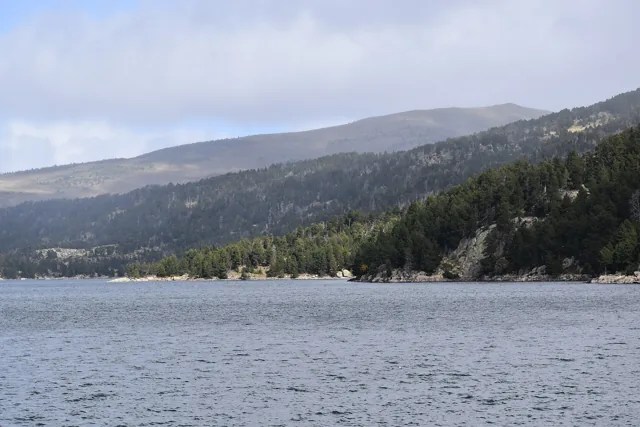
Capcir, Cerdagne and Conflent offer three ways to explore the eastern Pyrenees: forests and lakes, an open high plateau and warmer valleys. Bouillouses and Carlit introduce the mountain lake landscape, while villages and the Yellow Train allow gentler days. The park combines inhabited countryside with sites under stricter additional protection. Plan around the particular place you will visit, rather than assuming one uniform set of restrictions throughout the regional park.

France / Foothills

Parc naturel régional Corbières-Fenouillèdes

Created in 2021, this regional park belongs to the northern foothills and Mediterranean edge of the Pyrenees. Limestone folds, narrow gorges, vineyards and rocky strongholds such as Puilaurens, Quéribus and Peyrepertuse define its scenery. For an easy visit, pair a short walk with a village; for a longer journey, choose sections of the Cathar Trail or cycling roads. Summer planning hinges on heat, wind and fire danger, which can change access to individual massifs.

France / Pyrenees

Réserve naturelle nationale du Néouvielle

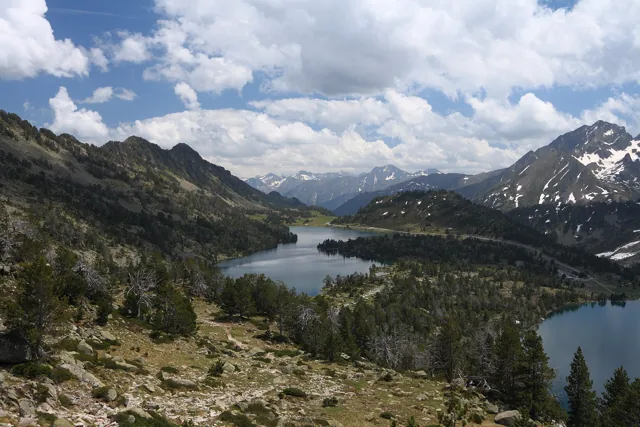
Néouvielle is a separate national nature reserve beside the core of the Parc national des Pyrénées. Pale granite, winding lake shores and mountain pines give it a distinctive character. For an introduction, choose Aubert and Aumar lakes or the ascent from Orédon via Les Laquettes. A walk between lakes and an ascent of Néouvielle summit are different undertakings. The wider massif continues beyond the reserve, where protection boundaries and overnight-stay rules may differ.

France / Pyrenees

Parc naturel régional Comminges Barousse Pyrénées

This regional park received official designation through the decree of 9 July 2026. It connects the Comminges hills, Barousse valley and high Pyrenees, pairing villages and wooded paths with outings towards the Luchonnais lakes. It is a lived-in landscape with local rules. Choose one valley for a first day, then another elevation band to appreciate the transition from pastures to rocky mountain bowls.

Published sources reviewed on 9 September 2026. Temporary closures, fire restrictions and weather may change access; read the park’s latest notices before travelling.