Choose a month around the walking you want
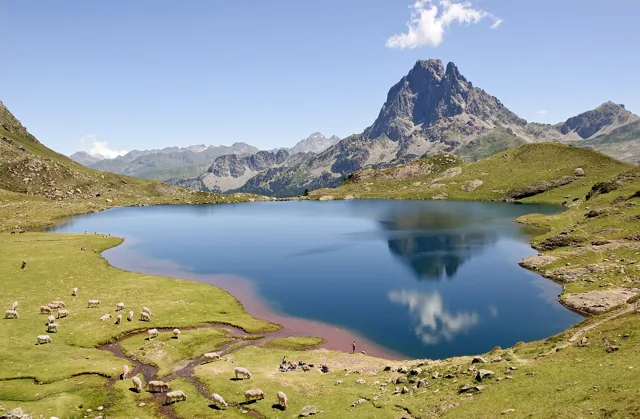
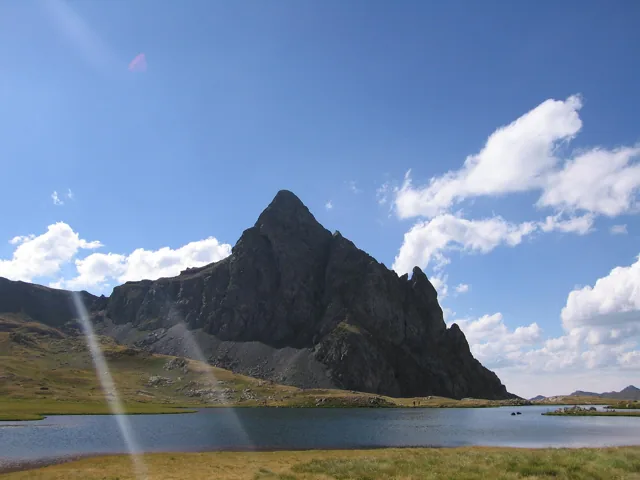
September generally gives you more daylight than October, but neither month guarantees summer conditions in the high mountains. Treat the month as a starting preference, then let the actual forecast and ground conditions decide the altitude. An autumn photograph describes one moment; it cannot promise leaf colour, dry paths or a snow-free pass for your visit.
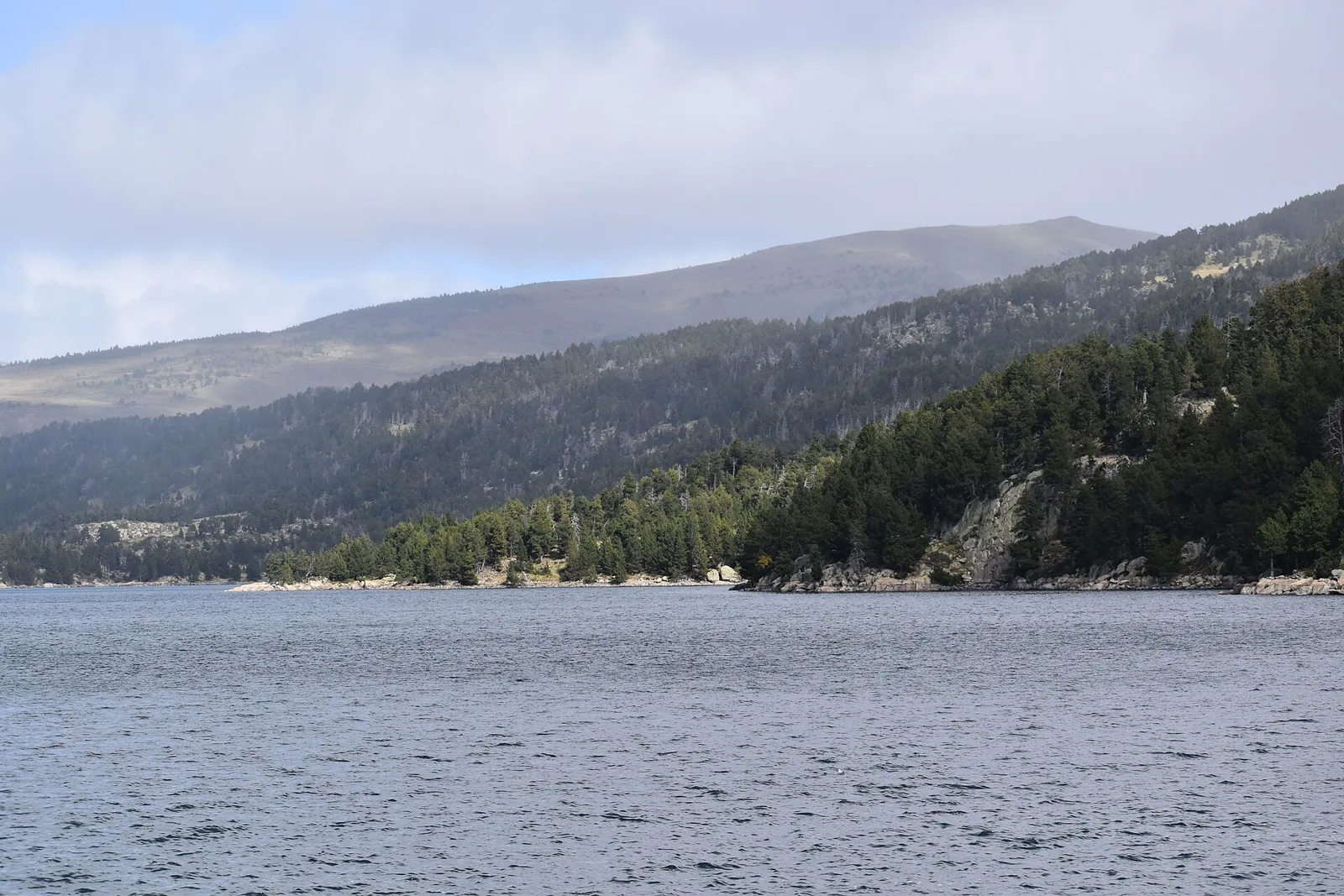
If your priority is a longer mountain day, protect several possible dates for it instead of assigning it to the morning after arrival. If your priority is the forest, choose a base with lower walks that are worthwhile in their own right. This keeps a change of plan interesting rather than disappointing.
Read mountain weather, not only the town symbol
A pleasant forecast for your accommodation does not describe every slope above it. Use the mountain forecast for the appropriate part of the range, and look beyond the rain icon to wind, visibility, temperature and the level at which precipitation may fall as snow. Read official warnings as well as the daily summary.
Turn that information into a decision before departure. Strong wind may remove an exposed option; poor visibility may make a complex route inappropriate for the group. If snow or ice changes the route into terrain outside your skills and equipment, choose another walk. Owning a piece of equipment does not replace knowing how and when to use it.
Build the return around usable daylight
Check sunrise and sunset for your dates and location rather than reusing a summer timetable. IGN explains that its astronomical times assume an unobstructed horizon; nearby terrain can delay direct sun in the morning and hide it earlier in the afternoon. A deep valley may therefore feel shaded well before the published sunset.
Write down when you want to be back at the trailhead, then work backwards through walking, breaks and a generous contingency. Give photography its own time allowance. Keep a headlamp accessible, but let the plan aim for a daylight return. At a planned checkpoint, compare progress with the remaining journey while changing the objective is still straightforward.
Prepare two good versions of the day
Before travelling, save a principal route and a lower alternative with clearly different demands. Compare their access roads and any transport dependency so that bad weather does not force hurried improvisation. Confirm accommodation, refuge services and last departures directly for the dates involved. An opening period remembered from another season is not a reservation or a current timetable.
Pack for stops as well as movement: a warm layer becomes useful when lunch lasts longer than expected. Share the day's plan and expected return with someone who can act if you are overdue. Then keep the itinerary flexible enough to turn a shorter walk into a complete day, with time for a café, a village visit or simply watching the weather move across the valley.